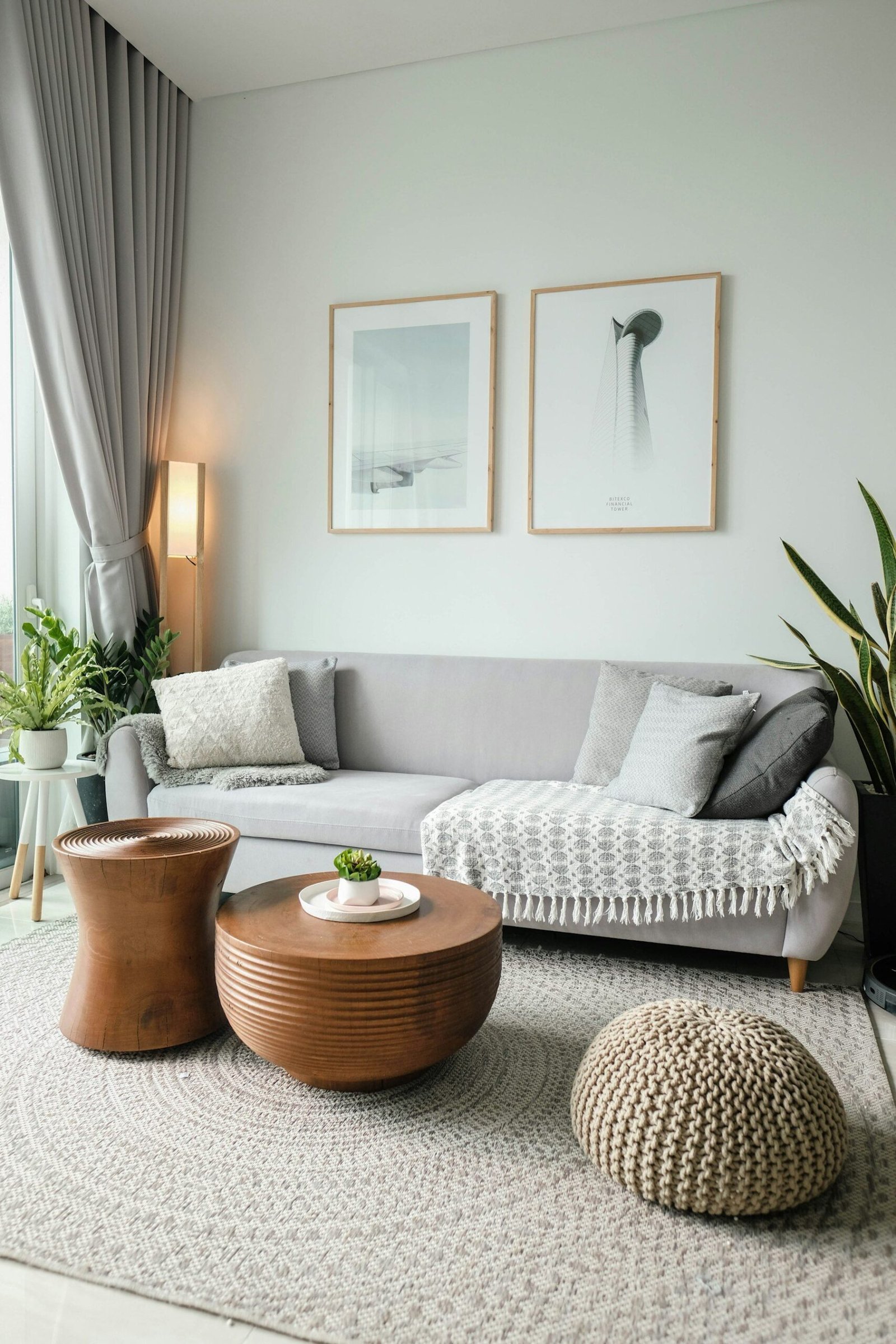
Ask any interior designer and they’ll tell you the same thing: plants are the fastest shortcut to a warm, lived-in home. They add color, texture, and softness that no throw pillow can match. They improve air quality, they bring a room to life, and — best of all — they don’t require a big budget or a single drill hole.
We built this guide for the self-proclaimed plant killers, because here’s the honest truth: the problem is almost never you. It’s the plant you chose, the spot you put it in, or how much you’re watering it. Pick the right plants, style them well, and keep the care simple, and you’ll wonder why you ever thought this was hard.
Why your plants keep dying (and it's not you)
Before we get into what to buy, let’s clear up the most common mistake. When people say « I kill every plant, » nine times out of ten the plant died of kindness — too much water — or it was bought for a spot that couldn’t support it. A fern bought for a sunny windowsill is fine; a fern bought for a dark hallway was doomed from day one.
So the strategy is simple: buy plants that match the reality of your home, not the fantasy. If you forget to water, get a plant that forgives that. If your only light is a north window, get a plant that thrives there. That’s the entire secret.
Step 1: Start with the easy ones
If this is your first plant, skip the fiddle-leaf fig and the dramatic ferns. They’re gorgeous, but they’re the sports cars of the plant world — high maintenance and they’ll punish beginners. Instead, start with the forgiving classics that still look stunning:
- Snake plant — survives low light, forgets water for weeks, still looks sculptural and modern. The ultimate first plant.
- Pothos — trails beautifully from shelves and mantels and thrives on neglect. It tells you when it's thirsty by drooping slightly, then perks right back up after a drink.
- ZZ plant — glossy, upright, and virtually indestructible. It can handle low light and irregular watering like a champion.
- Monstera — the statement plant everyone wants. It needs bright, indirect light and a drink when the top of the soil dries out, but it's forgiving and grows impressively fast.
Buy these in the right size and they instantly read as « I know what I’m doing. » A single well-chosen mature snake plant in a good pot does more for a room than a shelf of tiny sad sprouts.
Step 2: Match the plant to the spot
The fastest way to kill a plant is to put it where the light doesn’t reach — then blame yourself when it sulks. Before you buy, look at your space honestly. Here’s how to read your light:
- Bright window (direct sun or strong indirect light, like a south or west sill) — monstera, rubber plant, and most trailing vines will thrive here.
- Medium light (a metre or two back from any window) — snake plant, ZZ, and philodendron are perfectly happy.
- Low light (a room with no direct sun at all) — snake plant and ZZ are your only reliable friends. Resist buying anything else; it will only break your heart.
When in doubt, buy the « medium light » category. It’s the sweet spot of most homes, and it gives you the most flexibility to move your plants around as the seasons change.
One more tip: if you’re not sure how much light a corner gets, hold your hand a foot above the spot. If you can see a clear shadow, that’s medium-to-bright light. If the shadow is soft or nonexistent, treat it as low light.
Step 3: Style in groups, not singles
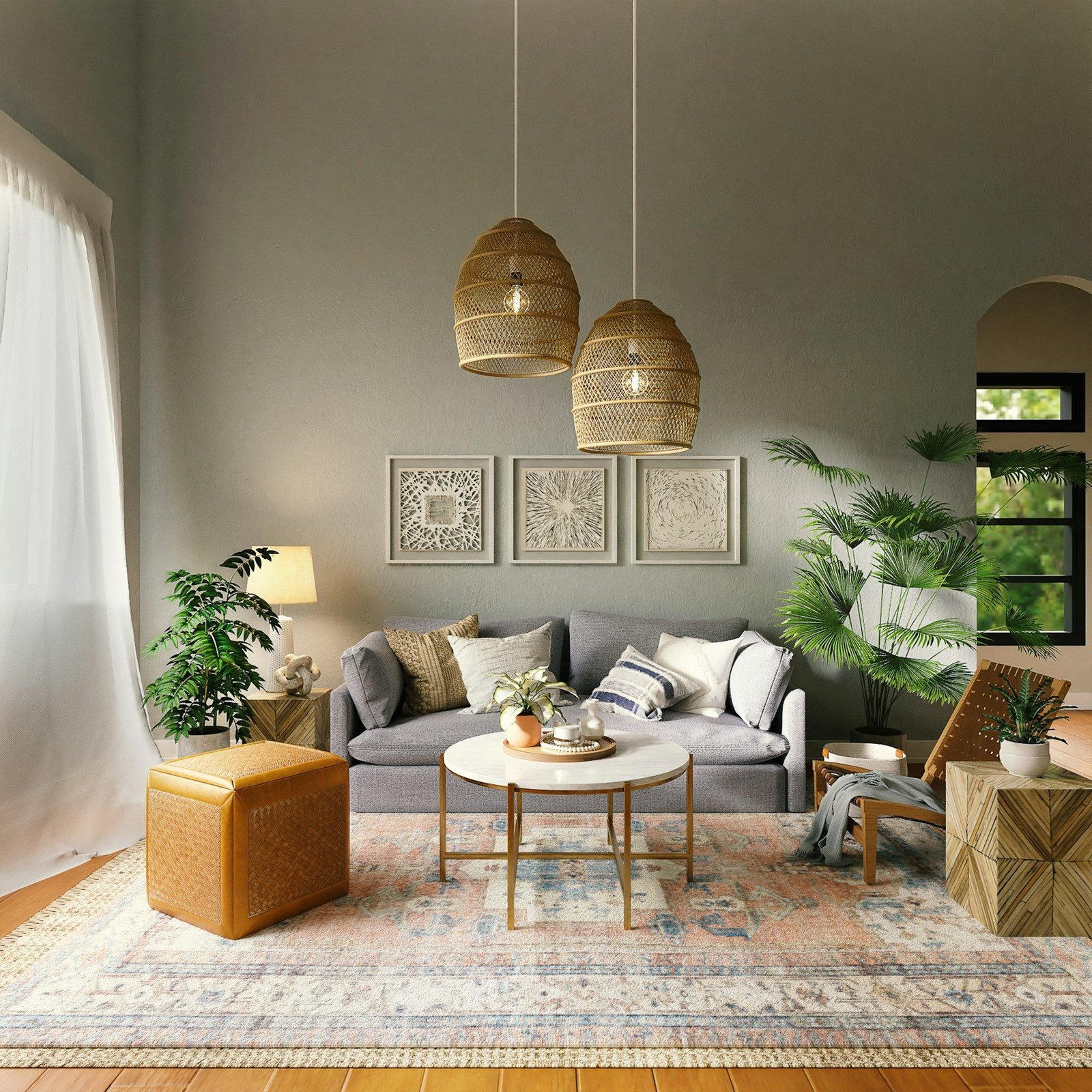
Here’s the styling secret that separates « plant owner » from « plant parent »: one lonely pot in a corner looks like an afterthought. Three plants of varying heights look curated and intentional. The formula we use everywhere — on shelves, plant stands, consoles, and windowsills — is one tall, one full, one trailing.
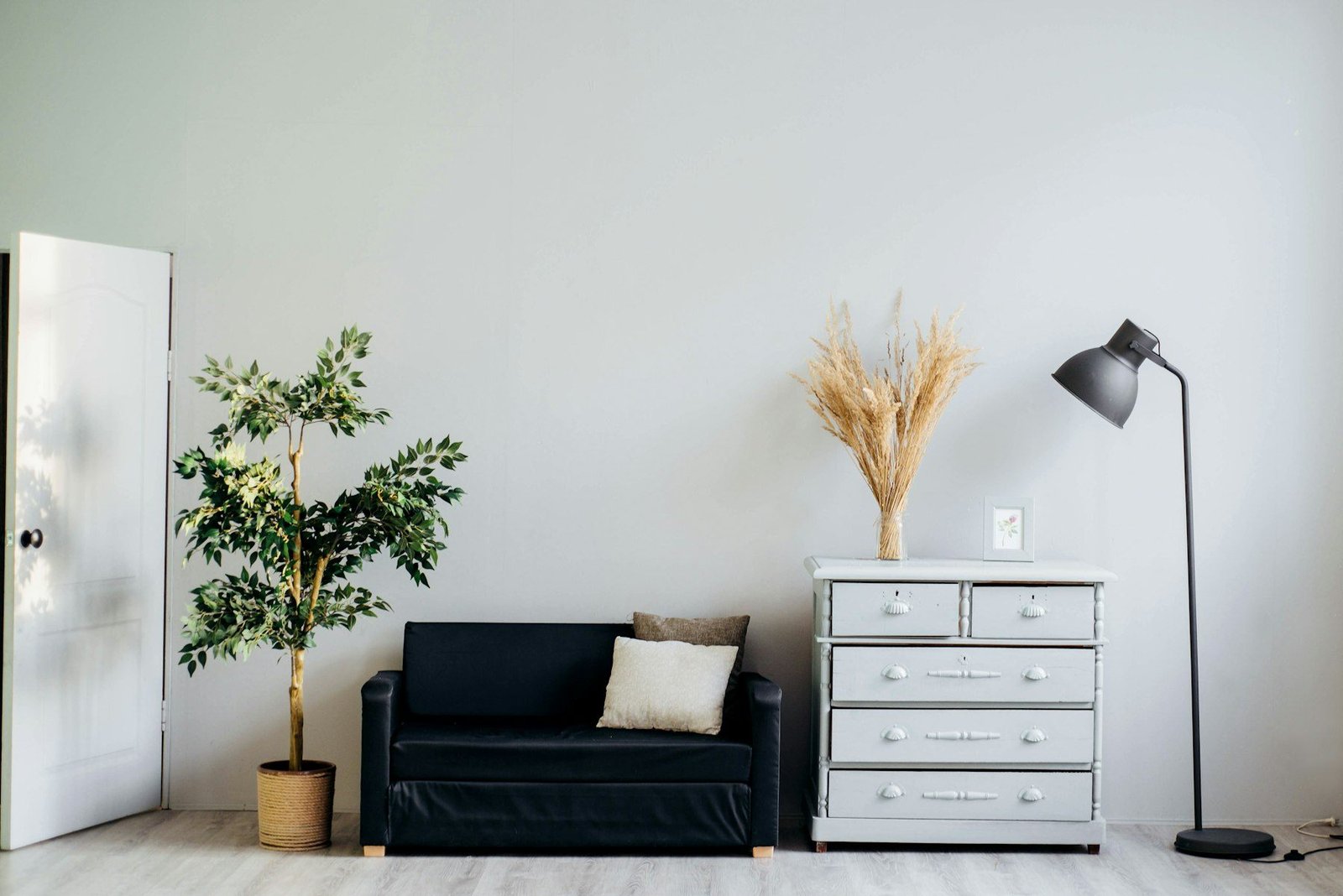
Cluster them at different heights so they read as a composition rather than a lineup: a tall plant in a floor stand, a bushy plant in a mid-height pot, and a trailing vine cascading from a shelf. Add a woven basket or a coordinating ceramic pot to tie the group together. A plant stand adds height variation in tight corners and makes even a small plant feel like a deliberate design moment.
Don’t crowd them, though. Plants need a little breathing room to look expensive rather than cluttered — and leaving space between pots makes each one read better.
Shop this plant styling look
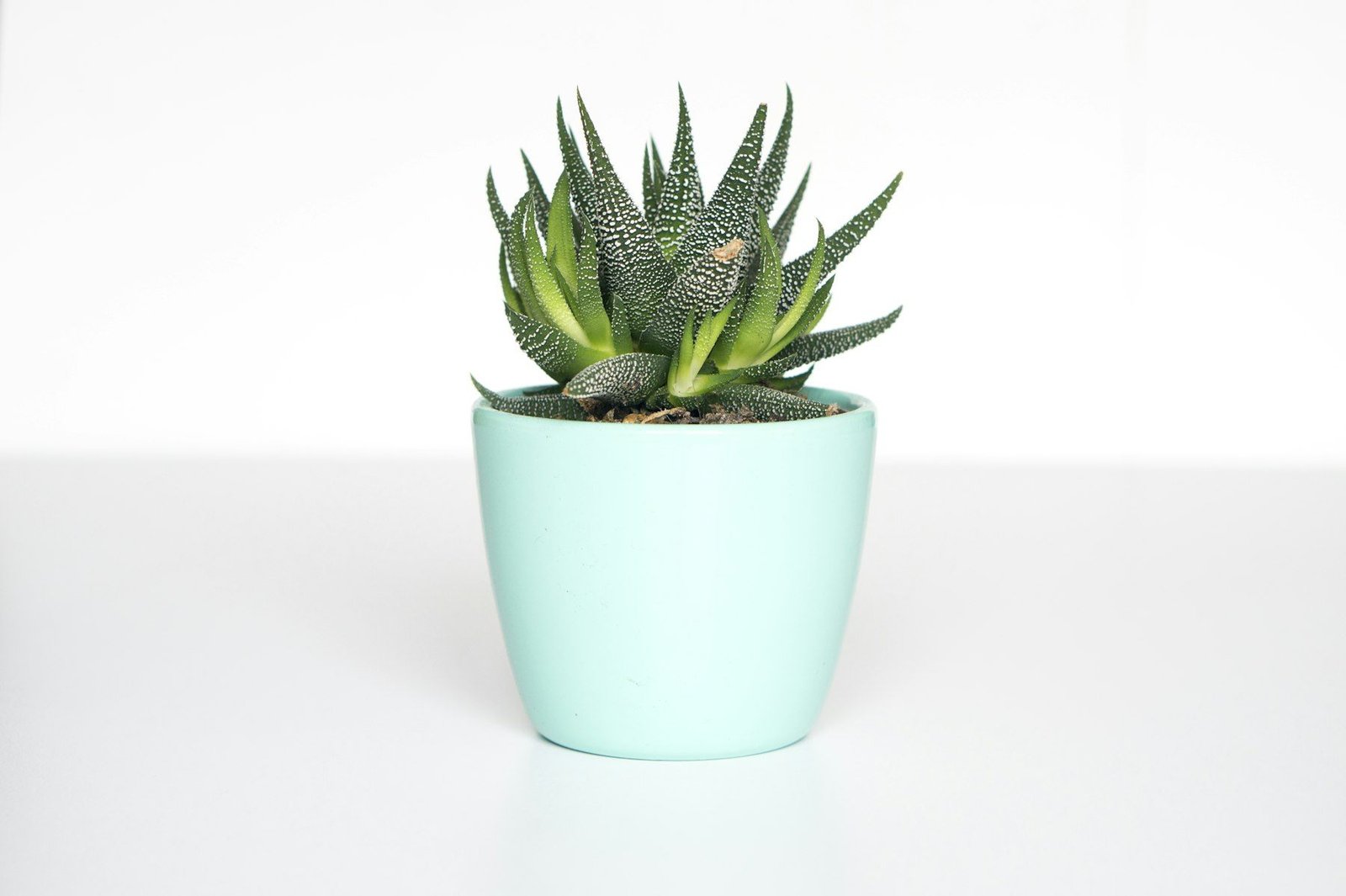
Step 4: Care on a simple rhythm
Forget complicated schedules and misting rituals. Most beginner-friendly plants want the same two things, and both are easy to remember:
- Water only when the top 3–5cm of soil is dry. Stick a finger in — if it's dry, water; if it's still damp, wait a few days. Overwatering kills more indoor plants than underwatering, because soggy roots can't breathe.
- Dust the leaves monthly. Dusty leaves can't catch light, which is a plant's food. A quick wipe with a damp cloth keeps them green and growing.
That’s the whole routine. No fertilizer calendar, no humidity meters, no worries. If you want to go the extra mile, feed with a balanced liquid fertilizer once in spring and once in summer — but for most beginners, plain water on the right schedule is plenty.
Your first weekend, in plain steps
If all of this feels like a lot, here’s the simplest possible way to start. Set aside one afternoon and do exactly this:
- Buy one easy plant (snake plant or pothos) in a pot that already has drainage holes — you can upgrade the outer pot later.
- Give it a home where it gets medium light and where you'll actually see it every day. Plants thrive on being noticed.
- Water it once, properly — enough that water runs out the bottom — then put it on the "finger test" routine from Step 4.
- Take a photo of the corner before and after. This is your proof that you're not a plant killer.
Resist the urge to buy five plants at once. One healthy, well-styled plant beats a shelf of struggling ones, and it gives you the confidence to grow your collection the right way.
Styling by room
Different rooms call for different plants and placements, and matching them is easier than you think:
- Living room — your statement moment. A large floor plant (monstera or rubber plant) beside the sofa, plus a trailing pothos on a high shelf to draw the eye upward.
- Bedroom — calm and restorative. A snake plant on a dresser or nightstand adds structure without demanding attention, and they keep releasing oxygen overnight.
- Home office — a small succulent or ZZ plant on the desk adds life without clutter, and a plant within sight has been shown to boost focus and calm.
- Bathroom — if it has a window, ferns and philodendrons love the humidity. No window? Stick with a snake plant.
Troubleshooting: what the leaves are telling you
Plants communicate in leaf language, and once you know the basics, you can fix most problems in minutes:
- Yellow, mushy leaves — almost always too much water. Let the soil dry out completely before watering again, and make sure the pot has drainage holes.
- Brown, crispy leaf tips — usually too dry or too much direct sun. Move it back from the window and water a little more often.
- Drooping but firm — thirsty. Give it a drink and it'll usually perk back up within hours.
- Leggy, stretched stems — not enough light. Move it closer to a window; don't buy a new plant.
- Pale or washed-out leaves — too much direct sun for that species. Shift it to bright, indirect light.
Frequently asked questions
The snake plant, hands down. It tolerates low light, forgets water without drama, and looks striking in any pot. The ZZ plant and pothos are close runners-up.
There’s no fixed schedule — it depends on light, pot size, and season. Use the finger test: water only when the top 3–5cm of soil is dry. That habit alone prevents the vast majority of houseplant deaths.
Genuinely no light means no plant will thrive for long. A snake plant or ZZ can tolerate a dim corner for a while, but for a truly windowless room, a high-quality artificial plant is the honest, low-stress choice.
Some popular plants are toxic to pets, including pothos, philodendron, and monstera. If you share your home with curious animals, choose pet-safe options like spider plants, prayer plants, calathea, and most succulents — and always double-check the species before buying.
The one-minute takeaway
Buy an easy plant, match it to the light your home actually has, group it with a couple of friends at different heights, and water by touch rather than by schedule. In a month you’ll wonder why you ever thought plants were hard — and your home will look and feel dramatically warmer. Your green thumb was there all along; it just needed the right plant.
Keep Reading
Related articles
Grow With Us
Plant & decor tips weekly
Join 12,000+ readers for decor picks, honest reviews, and styling tips.